
Fiona had been to every antenatal class going. She had read the books, downloaded the apps, and sat through hours of guidance on feeding and sleeping and developmental milestones. When her daughter Kirsty arrived, she felt — not always confident, but at least informed. She had a framework. She knew what questions to ask.
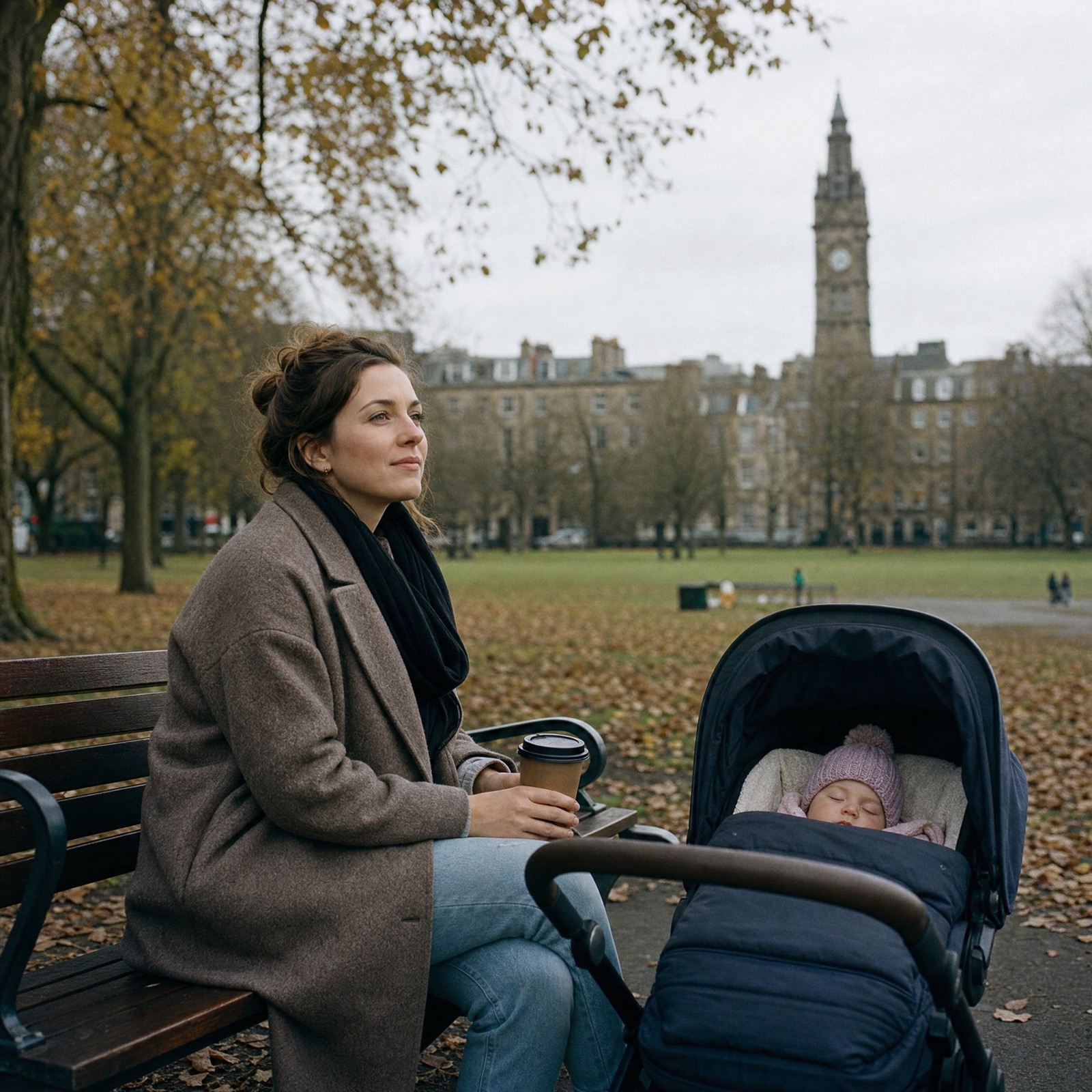
Then Kirsty turned thirteen, and Fiona found herself in unfamiliar territory. "There's this whole infrastructure for new parents," she says, sitting in the café near the harbour where she agreed to meet and talk. "Health visitors, parent groups, all of it. And then suddenly your kid is a teenager and you're just… on your own with it."
Kirsty had started secondary school at Arbroath Academy and was navigating everything that came with it — new friendships, new pressures, a changing relationship with her own body and mood. Fiona was watching all of this closely and worrying quietly. She wasn't sure whether what she was seeing was normal adolescent development or something she needed to act on. She didn't know who to ask.
"There's a whole infrastructure for new parents — health visitors, parent groups, all of it. And then suddenly your kid is a teenager and you're just… on your own with it."
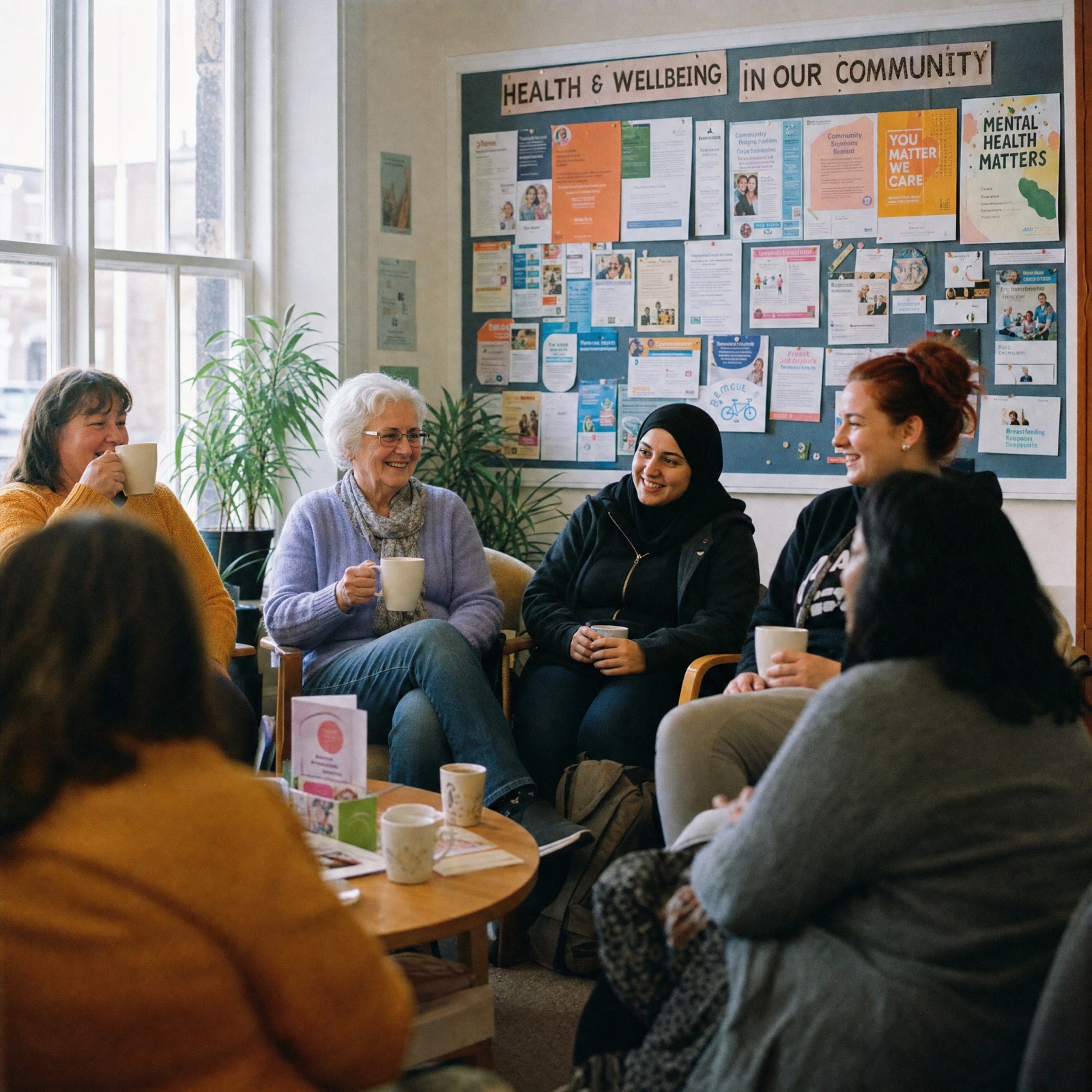
She heard about Vibrant Health Advocates – Amber through a friend whose son was in the same year group. The evening she attended was focused on teenage sleep — a topic she had dismissed, she admits, as less urgent than some others. Within twenty minutes, she had reconsidered. "I didn't realise how much the biology shifts in adolescence. Their sleep rhythms actually change. I'd been waking Kirsty up at seven for years and wondering why she was exhausted and grumpy, and it turns out I was working against her physiology."
She made small adjustments. She stopped scheduling arguments before school. She moved difficult conversations to later in the day when Kirsty was more alert and less likely to be flooded with stress hormones. The atmosphere in the house, she says, improved in ways she hadn't anticipated.
What she valued most, though, was not any single piece of information but the cumulative effect of attending several sessions over a few months. "You start to see your teenager differently. Not as a problem to be managed but as a person going through something genuinely hard, with a brain that's literally still being built. That changes how you talk to them."
Fiona has since brought two friends to the evenings and has started sharing some of what she has learned with her sister, who has a twelve-year-old. She is clear that the sessions are not about being a perfect parent. "Nobody there is pretending they've got it all figured out. That's what makes it feel safe. You can say what's actually happening in your house."
Kirsty, now fifteen, doesn't know her mum attends a monthly health information session. But she did, recently, come downstairs at eleven o'clock on a school night and sit beside Fiona on the sofa, and start talking. Fiona didn't make it a big moment. She just listened. "That's what they tell you to do," she says. "Just be there. Make it normal. I think it's actually working."